
What Dietitians Want You to Know About Non-Alcoholic Beverages

In observational and animal studies, these fats have been linked to inflammation, heart disease, insulin resistance, and abdominal fat gain. It’s long been known that alcohol intake can affect levels of hormones in the body, especially testosterone. Excess alcohol consumption can lead to what is known as alcoholic fatty liver. Swap soda for smarter fizz, skip the alcohol, and replace energy drinks with measured caffeine does alcohol make you gain weight plus sleep and nutrition basics. Energy drinks compress 2–4 espresso shots into an acidic, additive-laden, sugary can, often slammed fast. They are inappropriate for children, and most adults would feel better with measured caffeine (coffee/tea), daylight, movement, hydration, and nutrition.
- Caffeine can be part of a healthy diet for most people, but too much may pose a danger to your health.
- These foods will remain in your stomach longer, making you less inclined to desire food when drinking.
- Progress takes time, but even moderate reductions in alcohol intake can lead to visible and measurable improvements.
- Alcohol can disrupt metabolic processes, impacting the body’s ability to efficiently burn calories.
Limit consumption of fruit juice
A less extreme version of substituting alcohol for food when attempting to lose weight is to eliminate carbohydrates from one’s diet, and to consume wine instead. Several years ago we had dinner with an acquaintance who refused to take any bread from the breadbasket because he was on a diet, and lectured us on the evils of carbohydrates. “I prefer to drink my calories,” he told us, pointing to the bottle of red wine he had ordered. This he did—by consuming the entire bottle. This article reviews the calories in wine, how it compares with other alcoholic drinks, and whether drinking too much of it can lead to weight gain. Drinking alcohol is a common practice in many parts of the world, and it drug addiction can positively and negatively impact our health. But when alcohol consumption becomes excessive or uncontrolled, it can lead to addiction and serious health problems, such as weight gain.
- Day 4 (Thu) – Cut soda portions in half; try alcohol-free beer/wine or bitters-and-sparkling water with dinner.
- Remember that the highest-calorie drinks are usually those concentrated sugar mixers and fruit juices.
- In this article, we will delve into how alcohol influences weight, the role of empty calories, how metabolism is affected, and offer some tips to manage your drinking and weight.
- Establishing clear limits on alcohol intake is essential for successful weight management.
Can Drinking Whiskey Mixed with Sugary Drinks Cause More Weight Gain?
Alcohol can impair judgment and decision-making skills, potentially leading to https://ecosoberhouse.com/ poor food choices. Even those who are usually conscious of their diet struggle to resist the urge to eat when intoxicated. Excess alcohol consumption also impairs the liver’s capacity to metabolize and store fats and carbs.
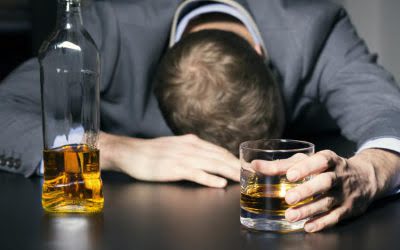
You may make poor food choices
Your care team may be able to make a different treatment plan that can help you lower your cholesterol without uncomfortable side effects. The FDA warns on statin labels that some people have developed memory loss or confusion while taking statins. There is limited evidence to prove a cause-effect relationship, and several studies have found that statins have no effect on memory.
Levels of Care
- This way, you can be more calculated in what you order and avoid making choices that can lead to eating junk food.
- On top of that, it stimulates appetite and impairs judgment around food choices leading many drinkers toward overeating unhealthy snacks during social occasions involving alcohol.
- So, you’ve knocked it out of the park without putting any other sugar or carbs in your mouth all day.
- They break down food into the basic macro- and micronutrients that are absorbed and used by the body.
Firstly, alcohol inhibits muscle protein synthesis, which is the process of building new muscle. This is because alcohol disrupts the signalling pathways that tell the body to build muscle. Alcohol also induces insulin resistance, which is problematic because insulin stimulates muscle growth and the absorption of carbohydrates into muscles.
This combination of increased hunger and poor food choices can significantly gain weight and cause weight gain. Moreover, according to a 2023 study published in BMC Public Health (2), individuals who frequently engage in binge-drinking tend to have larger waist circumferences. Binge-drinking involves consuming a large amount of alcohol in a short period, often with the aim of getting drunk.